


Can I Just Be Black at Work Without Explaining It?
We're constantly told to bring our "whole selves" to work. To be authentic. To show up fully. But when you're Black in corporate America, that invitation comes with invisible asterisks, unspoken conditions, and a silent expectation that you'll still make everyone else comfortable.
So here's my question: Can I just be Black at work without having to explain it, translate it, or soften it for consumption?
Not the palatable version. Not the code-switched version. Just... me.
Let me be clear: I'm not talking about being the office-friendly version that smiles through microaggressions and translates cultural references to make others more comfortable. I'm talking about the unapologetic, full-spectrum version of me.
What "Explaining" Looks Like
For a long time, I played the game. I leaned into the unspoken rules about how to navigate corporate spaces when you're Black: keep your hair "neat," your expressions neutral, and your culture just subtle enough that it's intriguing but not too much for the room.
The Constant Explaining I'm Done With
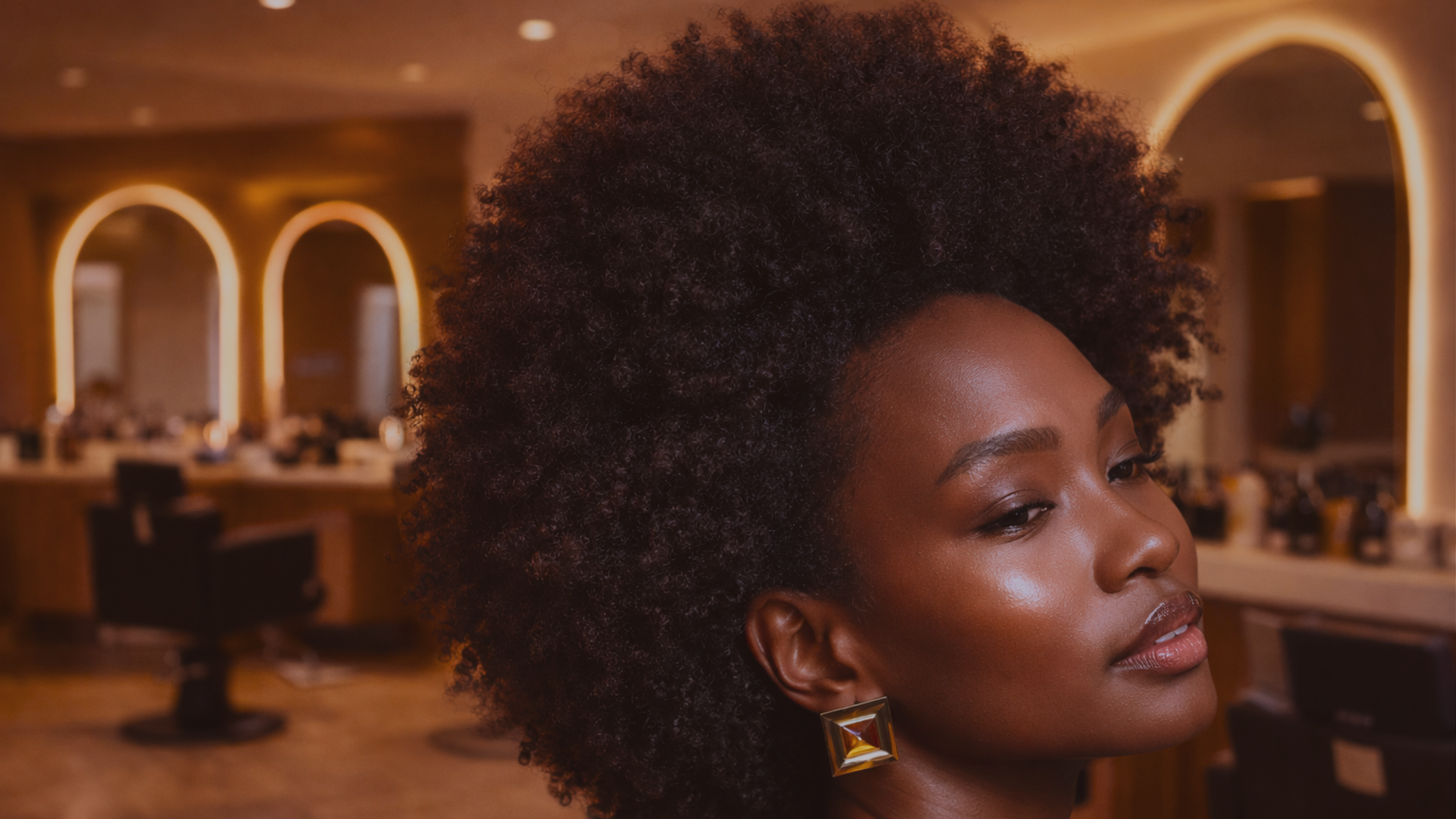
"Why does your hair look different this week?"
"Is that your real hair?"
"Can I touch it?"
Explaining why I'm skipping the after-work happy hour because I have a family event that's a big deal in my culture.
Softening my tone in meetings so I'm not labeled "aggressive" or "too much."
Dodging questions about my hair, my name, my background—turning every casual interaction into a cultural translation session.
Taking the scenic route in conversations about diversity because I didn't want to seem "too focused" on equity.
Code-switching every minute of the day, monitoring my language, my expressions, even my lipstick shade.
But somewhere along the way, regardless of the company, I realized that the game wasn't designed for me and people who look like me to win.
So last year, I stopped playing.
"Being Black in corporate spaces still comes with unspoken expectations and invisible hurdles. It's a constant negotiation."
What Changed When I Stopped Explaining
- Code-switching constantly to sound "professional"
- Explaining my hair every time I changed styles
- Softening my tone to avoid being labeled aggressive
- Avoiding equity conversations to seem "not too focused on it"
- Choosing "safe" lipstick colors for client meetings
- Translating cultural references for comfort
- Speaking naturally without monitoring every word
- Wearing my hair how I want—twist outs, protective styles, bold choices
- Using my natural voice and tone with confidence
- Naming inequity when I see it, directly
- Red lips on a random Wednesday? Absolutely
- My culture isn't up for debate or explanation
The Reality: Even as I've made these changes, I'm always cognizant that my surroundings may stay the same. Being Black in corporate spaces still comes with unspoken expectations and invisible hurdles. It's a constant negotiation—deciding whether to speak up when you know your tone will be dissected, or wondering if your bold lipstick is "too much."
This Year, I'm Not Negotiating Anymore
I'm done explaining why my hair looks different this week or why I'm skipping the after-work happy hour because I have a family event that's a big deal in my culture.
I'm done softening my edges to fit into a space that wasn't designed with me in mind.
If that makes people uncomfortable, so be it.
My presence is not the problem—it's the narrow definition of professionalism that needs to shift.
Important Context: This is not a rant about my company. I've worked at several major organizations. Chile, this is a systemic issue. The pressure to explain, adjust, and shrink ourselves is exhausting. And yet, we're still here, doing the work, excelling, and bringing value to spaces that often don't know how to fully embrace us.
Have you ever felt the tension of wanting to exist in your workplace without feeling like you need to translate yourself? What's one area where you're tired of explaining?
Share Your TruthYour Permission Slip
If you've ever felt this tension—of wanting to exist in your workplace without feeling like you need to translate yourself—this is your reminder that you're not alone.
And if you're ready to stop playing by rules that weren't made for us, let this be the year you break them.
Because the truth is, we're not the ones who need to adjust. The room does.
Just Me, As I Am
The Nigerian-American woman who loves switching between twist outs and protective styles, who might show up with red lips on a random Wednesday, and who isn't going to soften her tone just to avoid being labeled "aggressive."
Just me, as I am.
Not the palatable version. Not the translated version. Not the version that makes the room more comfortable at my own expense.
Just me.
Final Truth: For Black professionals, this is a journey we know all too well. The pressure to explain, adjust, and shrink ourselves is exhausting. And yet, we're still here, doing the work, excelling, and bringing value to spaces that often don't know how to fully embrace us.
What's one way you'll show up more fully as yourself at work this year? What will you stop explaining?
Make Your DeclarationIf you're ready to stop playing by rules that weren't made for us, let this be the year you break them.
Because the truth is, we're not the ones who need to adjust.
The room does.






How are you reading my mind?!?