What to wear to a job interview.
Dress for the room, without dressing as someone else.
Aim for one step more polished than the team’s everyday clothing.
If the dress code is unknown, choose a tailored blazer, simple top, trousers and clean shoes or flats. Ask the recruiter about the dress code rather than guessing.
Some links on this page are affiliate links. If you shop through them, I may earn a commission at no extra cost to you.
× Heels × Straight hair
× A new wardrobe × A suit for every room
Choose the room you’re walking into.
Select the closest scenario. The recruiter’s guidance always wins over assumptions about an industry.
The polished fallback
Navy or black blazer + simple blouse or fine knit + tailored trousers + loafers or flats.It reads prepared without assuming the room requires a full suit.
Quiet confidence
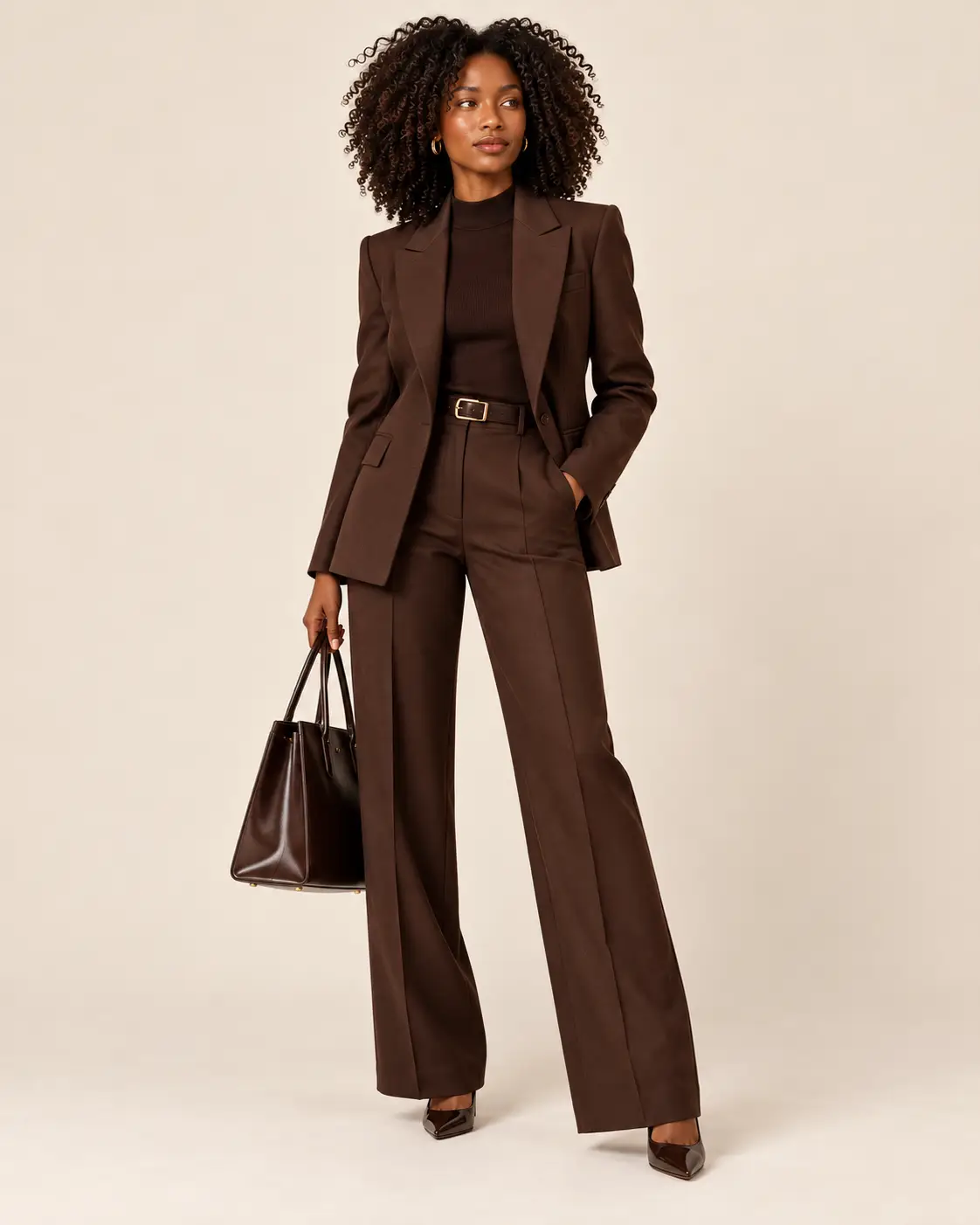
Matching suit or blazer with tailored trousers or a midi skirt + understated top + closed-toe shoes.Think legal, finance, executive-facing or explicitly business-professional settings.
Structured, softened
Unstructured blazer or cardigan + polished knit or shell + tailored trousers + loafers or flats.A midi dress layered with a blazer also works beautifully.
Personality, edited
Interesting tailored separates, a restrained statement color, polished shoes and one intentional accessory.You can show taste without making your outfit the entire interview.
Frame the face
Solid-color top with a flattering neckline + tailored layer + a full outfit you can stand up in.Test the lighting, camera crop, jewelry noise and fabric on screen.
Four checks. More useful than four rules.
Context
Match the employer, role and format. Don’t assume a dress code from the job title.
Comfort
Sit, walk and gesture. If you keep fixing it, it is not your interview outfit.
Condition
Clean, pressed and intact matters more than a label, trend or heel height.
Commute + camera
Test the whole journey: weather, walking, background, light and audio.
Four ways to look prepared.
Choose the level that matches the role. These are inspiration outfits, not mandatory purchases.
01 / Formal
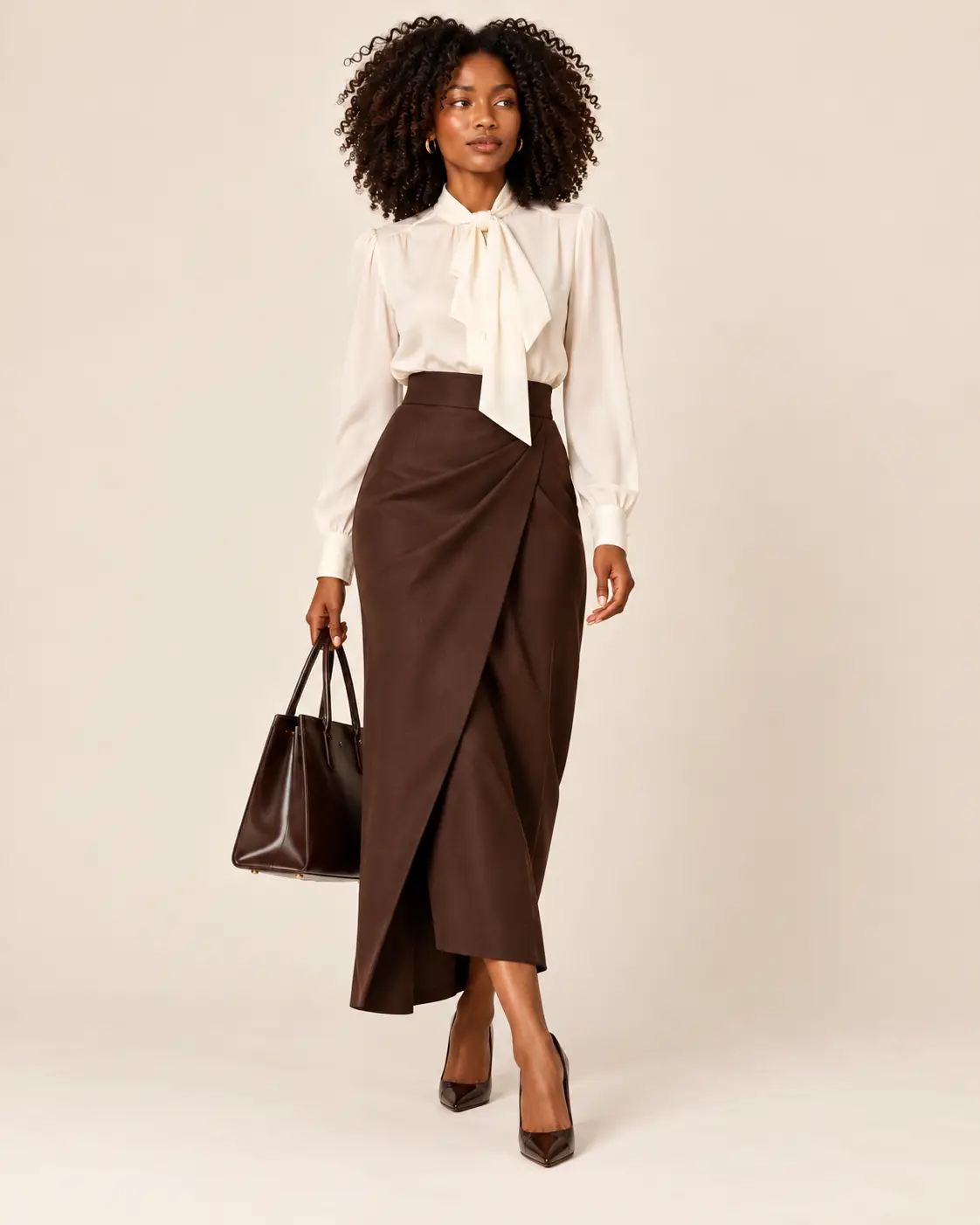
Business professional
Tailored midi skirt and refined blouse, with a blazer for formal rooms. A matching suit also works.
02 / Flexible
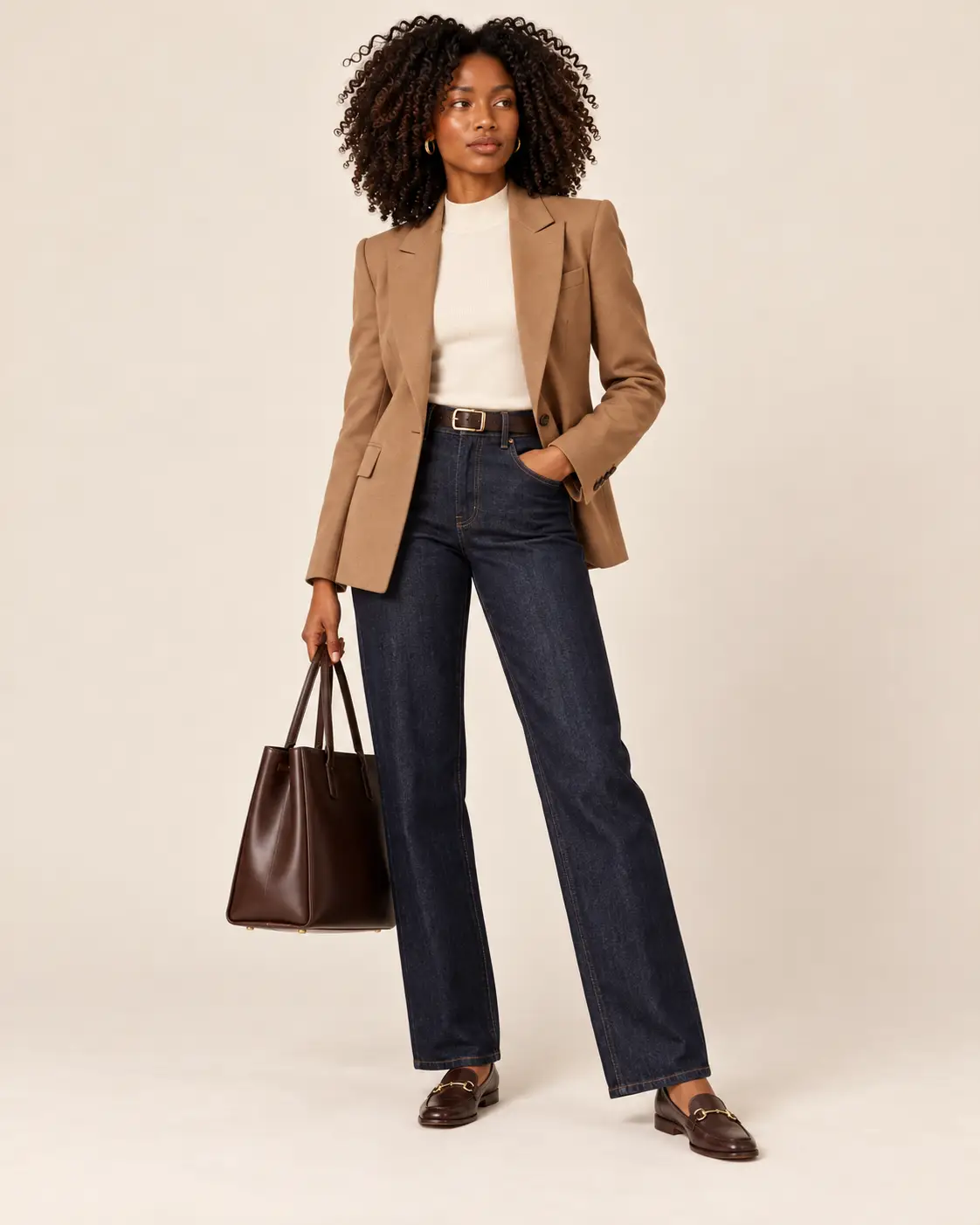
Business casual
Blazer and sleek top with tailored trousers. Dark jeans only when the employer welcomes denim.
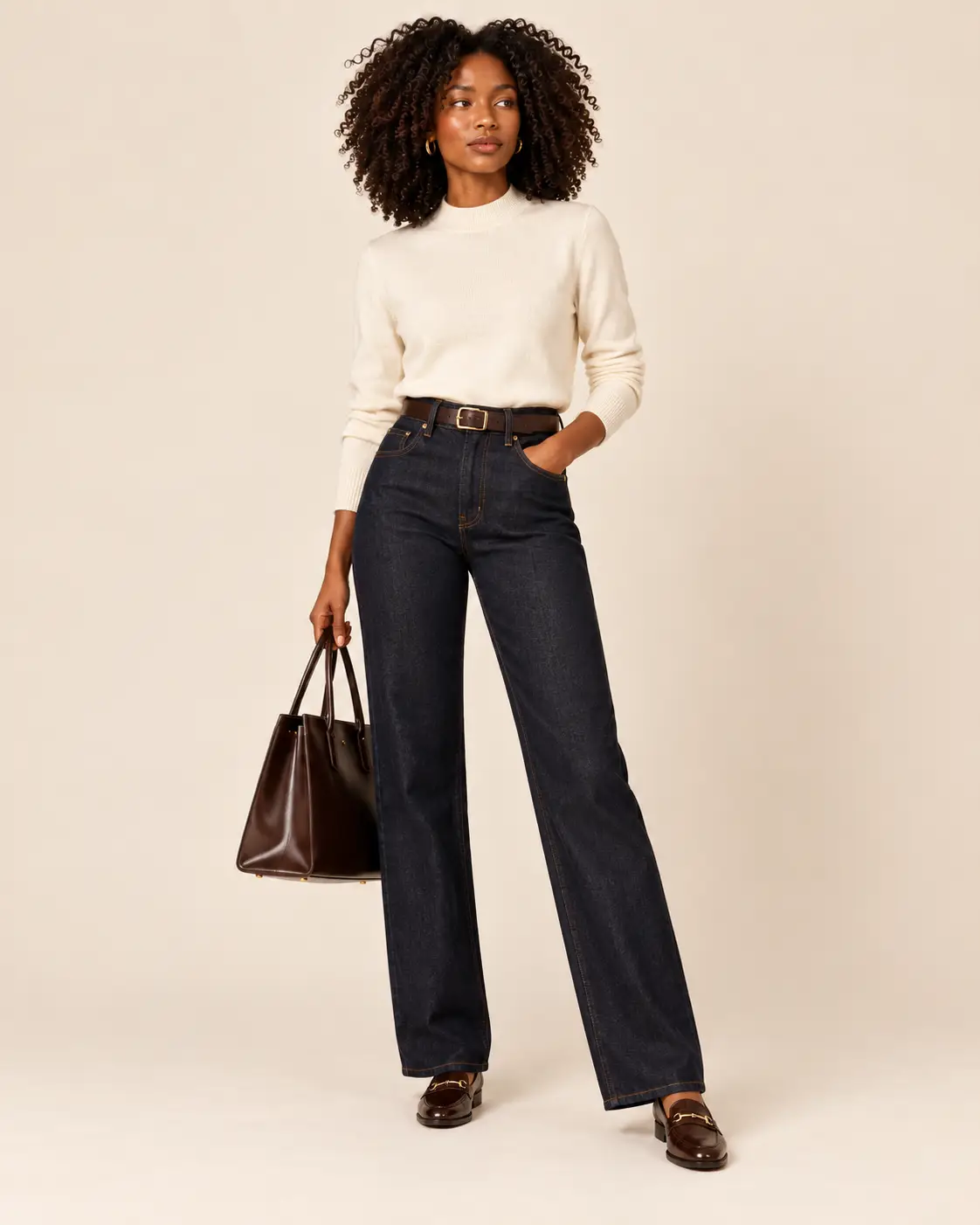
03 / Personality
Creative / casual
One expressive element, structured separates, clean shoes and intentional accessories.
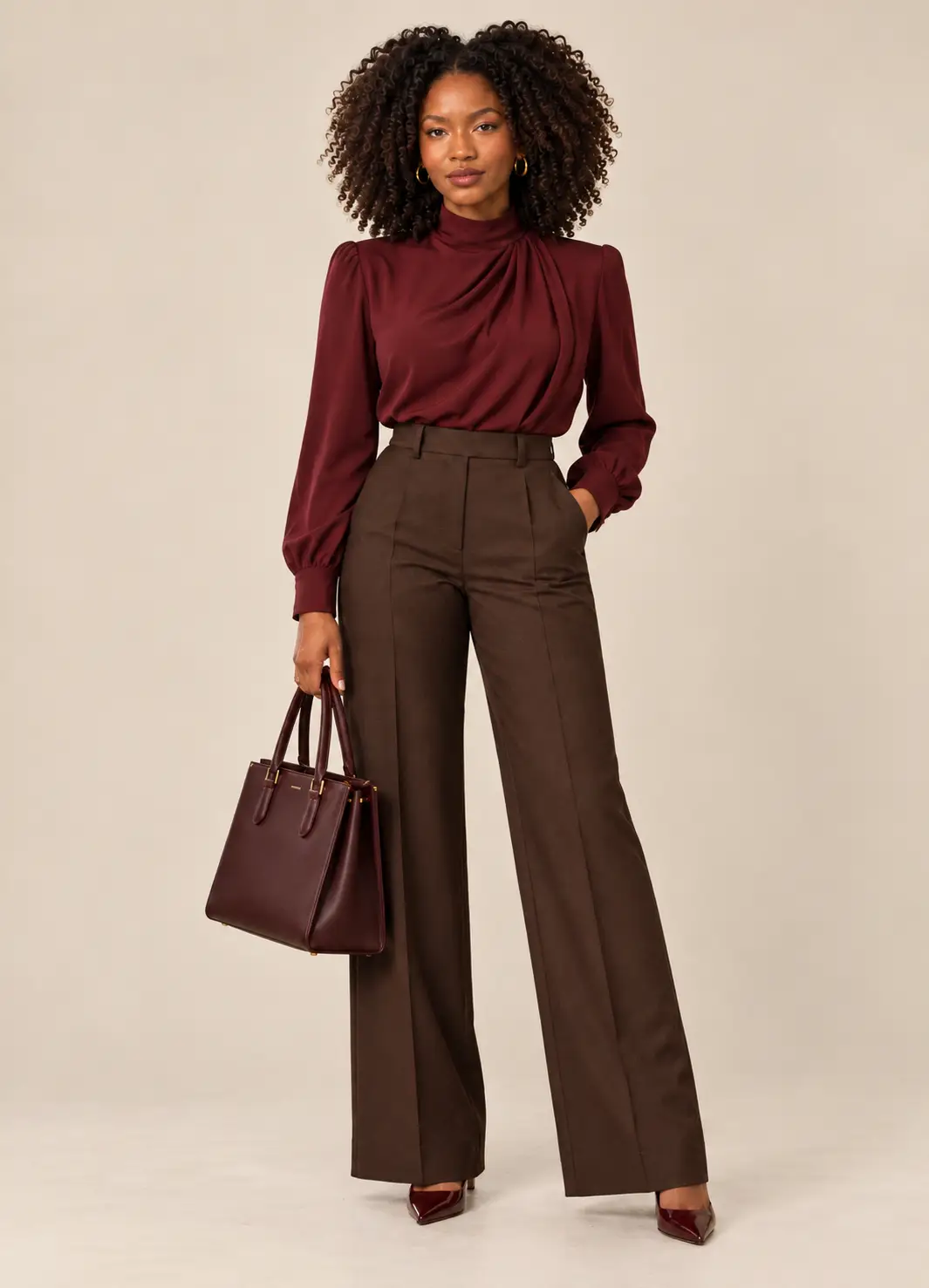
04 / Modern
Smart casual
Refined blouse, wide-leg trousers and polished flats. No fuss.
The same outfit isn't right for every employer.
The most reliable clue is what the recruiter tells you. Team photos can provide context but do not guarantee what an interview panel expects.
“Is there a particular dress code you recommend for the interview?”
It's specific, low-pressure and better than decoding five years of LinkedIn photos.
Corporate, finance & legal
Start with tailored suiting or a polished blazer. In formal environments, a matching set can be the safest choice.
Technology & creative teams
Consider elevated separates and a little personal style, but keep quality and fit intentional.
Healthcare, education & service roles
Choose clean, practical clothing appropriate to the actual interview setting. Do not assume that scrubs or uniforms are expected.
Senior leadership & panel interviews
Choose structure, comfortable shoes and layers that hold up through several hours and multiple rooms.
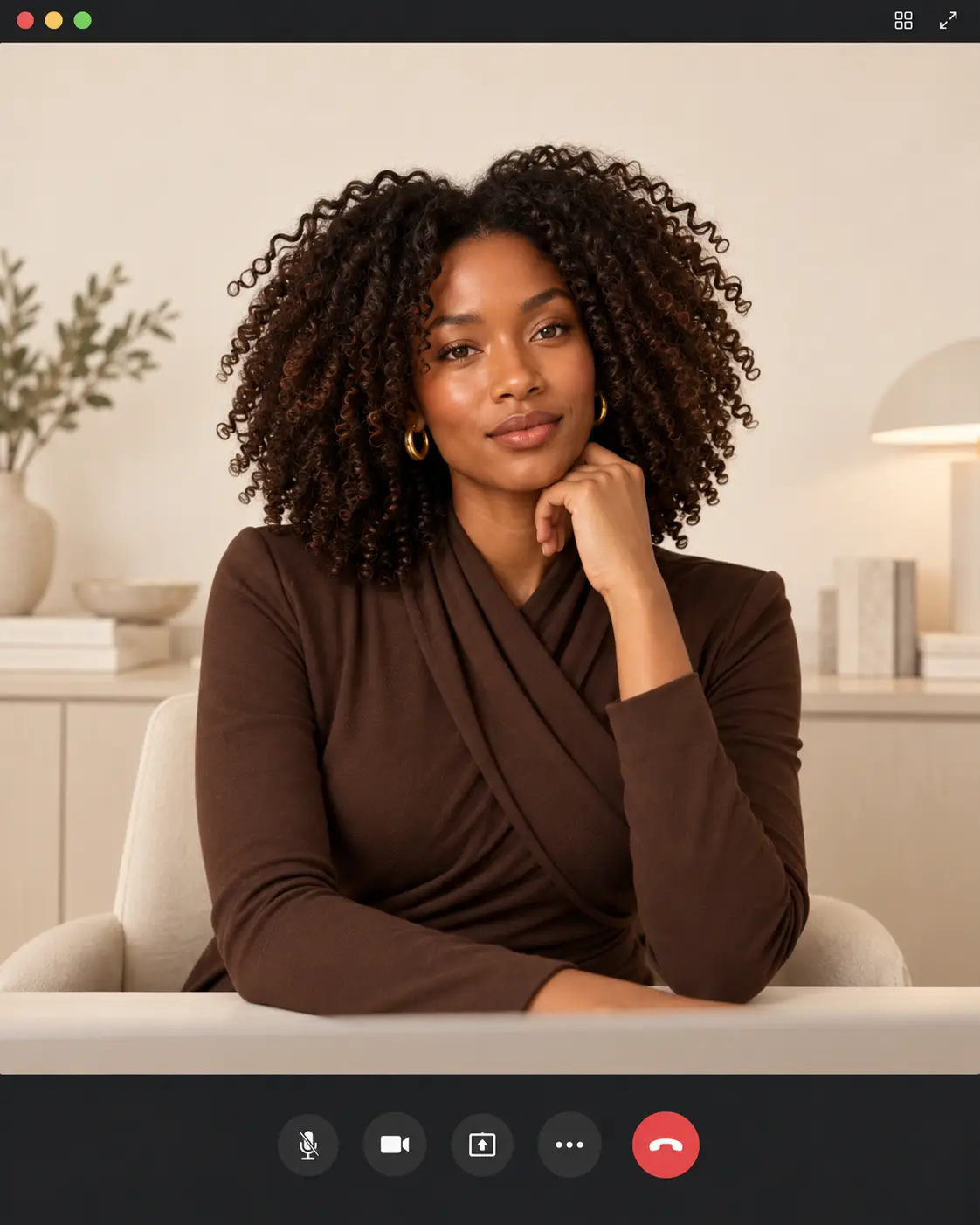
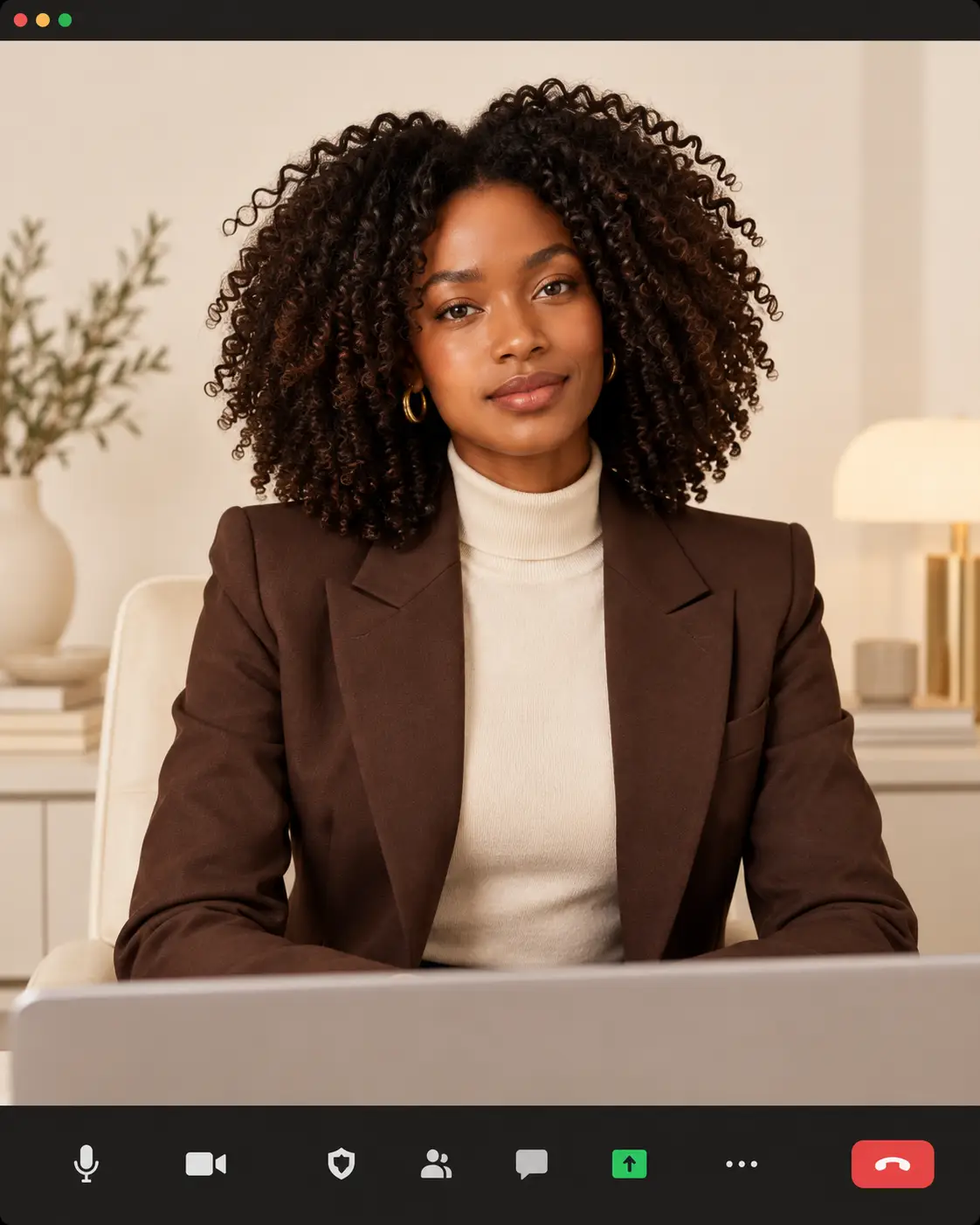
Your interview starts inside a rectangle.
For virtual interviews, what is near your face does more visual work. But that does not mean getting dressed only from the waist up.
Color + light
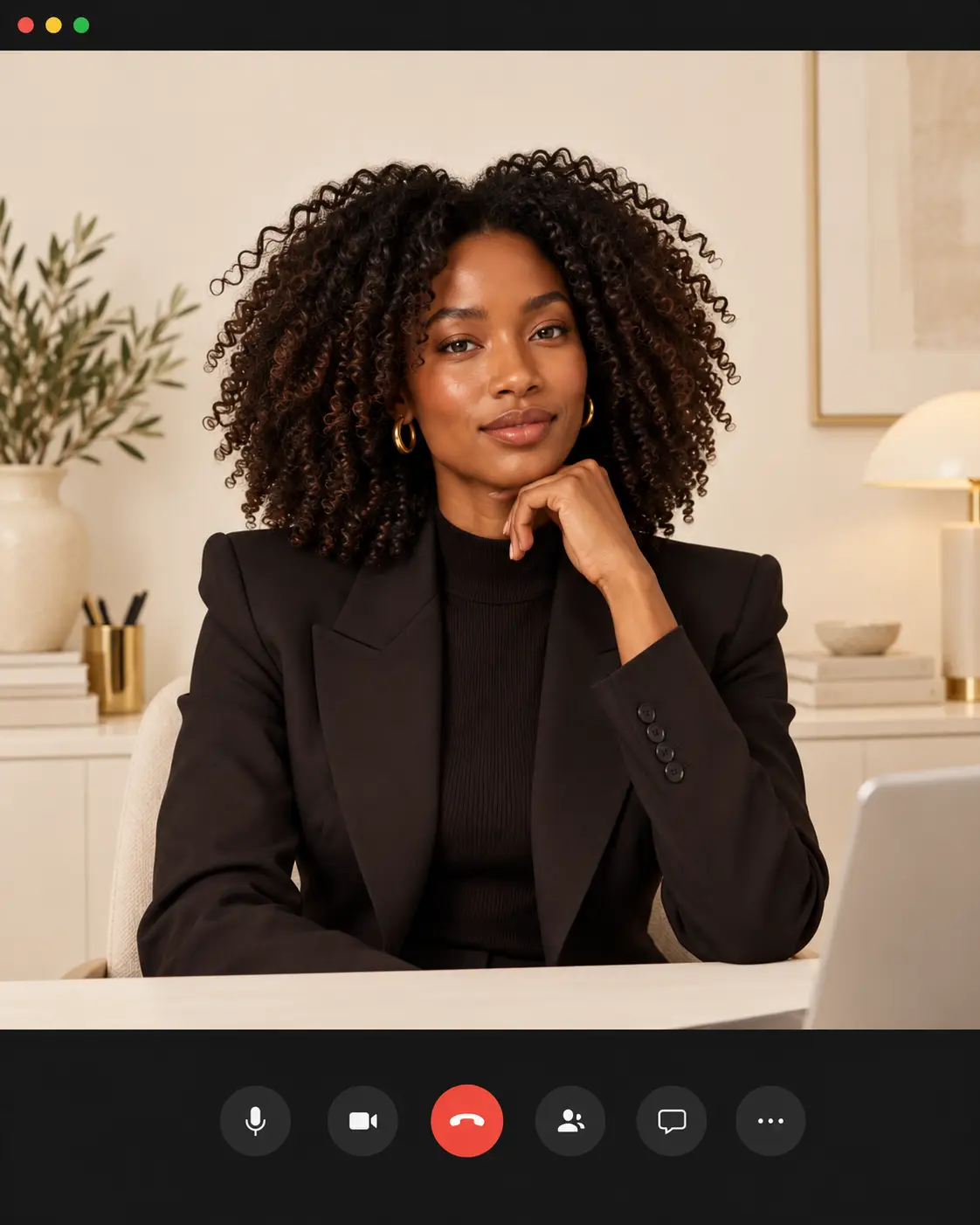
Try solid navy, cream, chocolate, burgundy or another shade that contrasts with your background. Check under your actual lighting.
Neckline + jewelry
Choose a neckline that frames your face. Avoid jewelry that taps your microphone or distracts on screen.
Print + texture
Microprints may flicker on camera. A smooth fabric or quiet texture often reads better.
Head to toe
Wear a complete outfit and test sitting, standing and reaching for your notes.
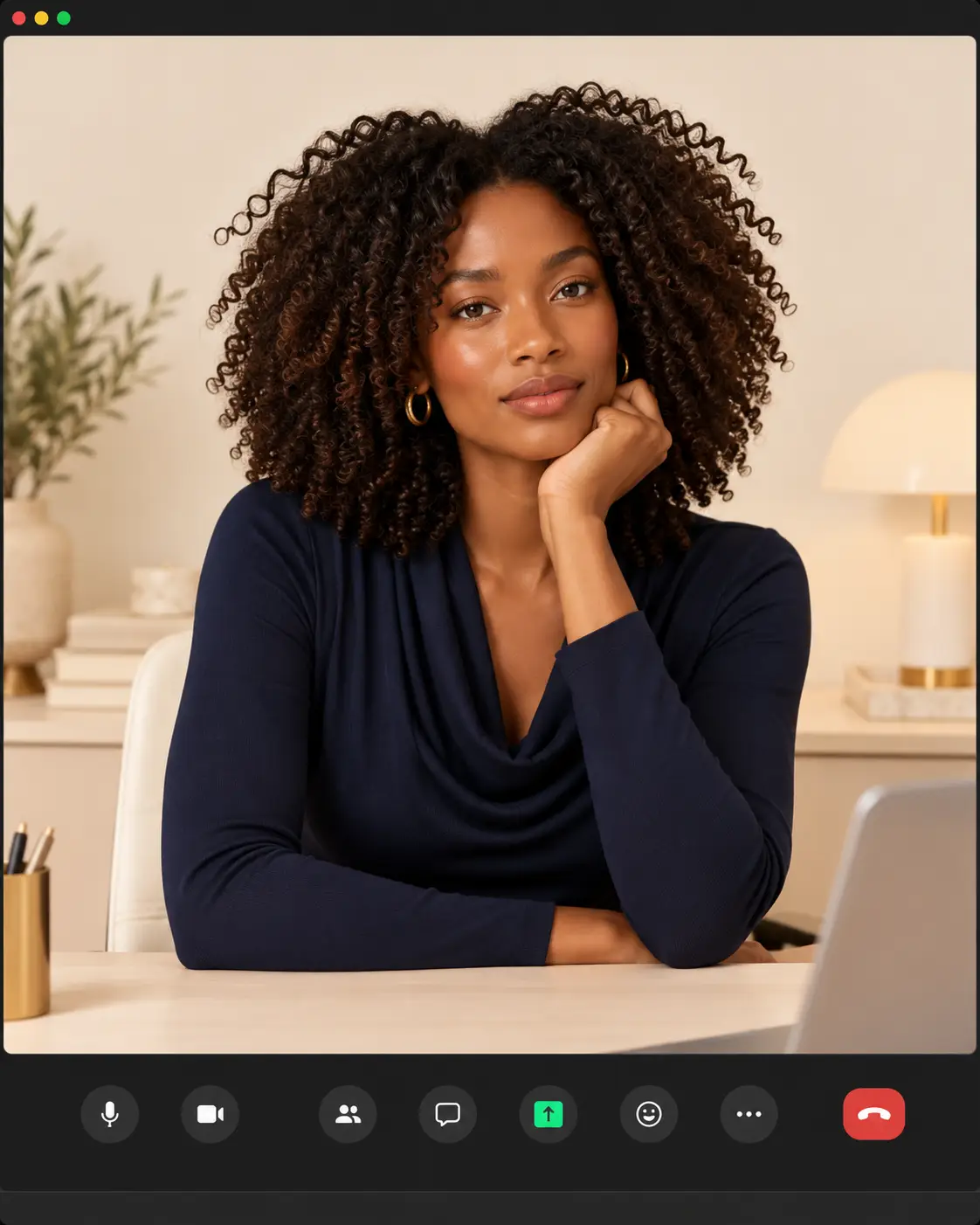
The camera sees the neckline. Confidence still needs a comfortable waistband.
05 / The on-camera edit
Four looks, one frame.
Notice what happens around the neckline. These are styling references for video interviews, not a required shopping list.
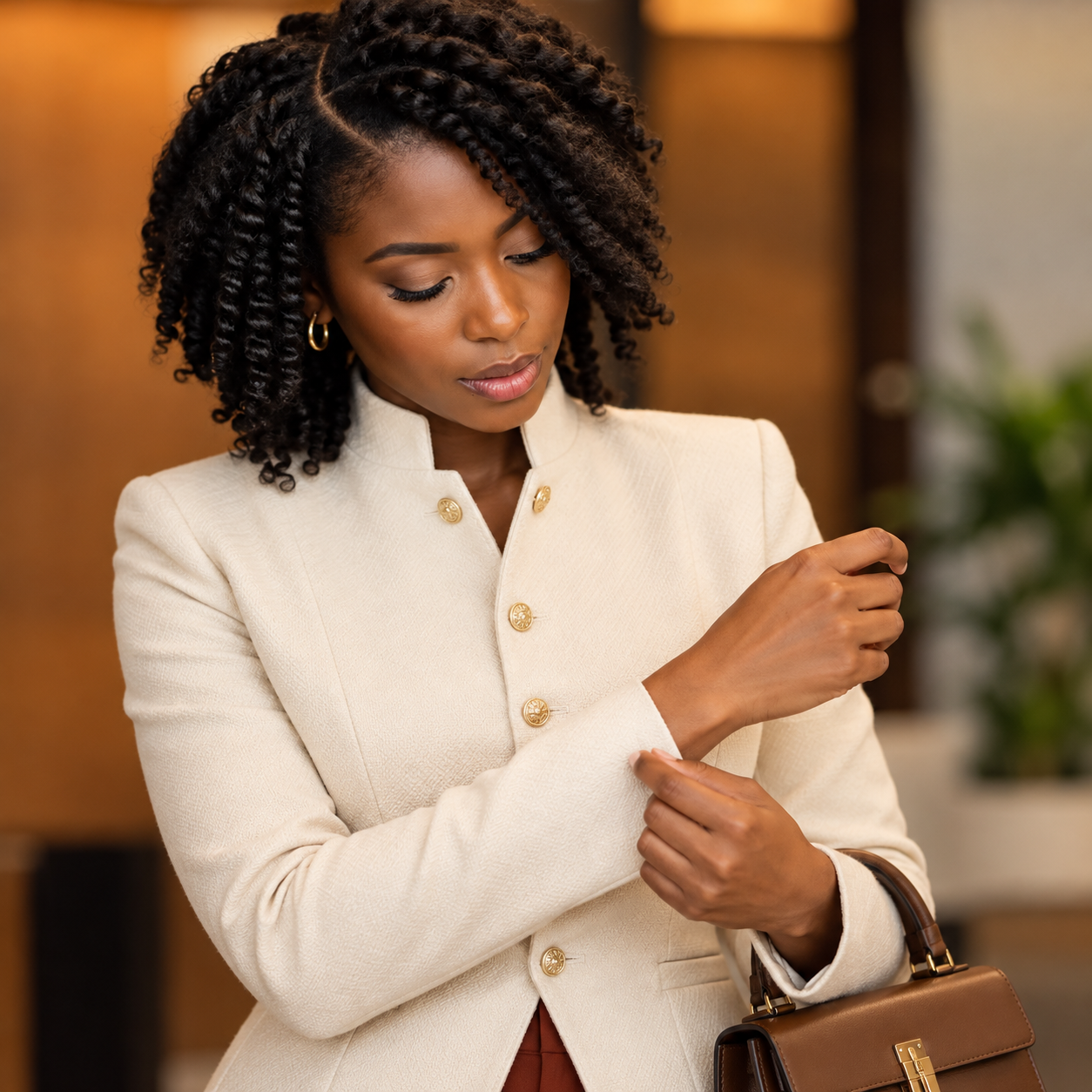
Your texture is professional. Full stop.
Natural hair does not need to be straightened to be appropriate for a job interview. A twist-out, Afro, braids, locs, wash-and-go, bun or silk press can all be styled intentionally. Pick something you know how to maintain and that feels like you.
Consider the weather, how your hair frames your neckline, and whether you will be comfortable through the full interview. The point is not to erase your identity to look “polished.”
Set it out. Sleep on it.
Your outfit should be decided before you start rehearsing your answers. Use this practical checklist, then move on.
If yes, you're probably ready.
Build the outfit. Not a new wardrobe.
Start with what you already own. These 16 pieces are a styling guide first. If you are filling a real gap, each one links to a piece I would reach for. Mix, repeat and rewear what suits your room.
Business professional
The most formal standard. Suiting or a blazer with tailored trousers, closed-toe shoes and quiet jewelry. Expected in finance, law and executive rooms.
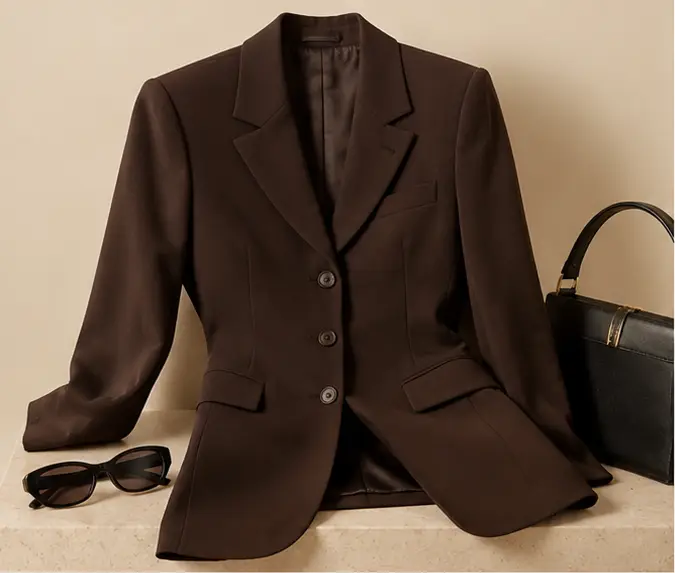
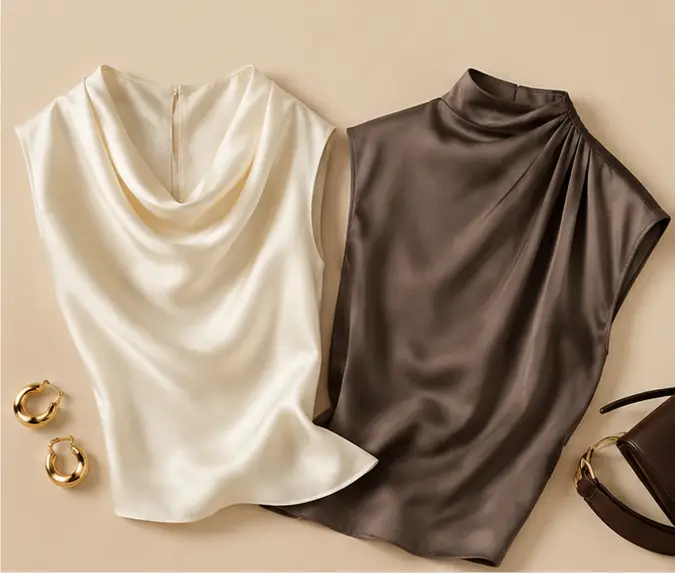
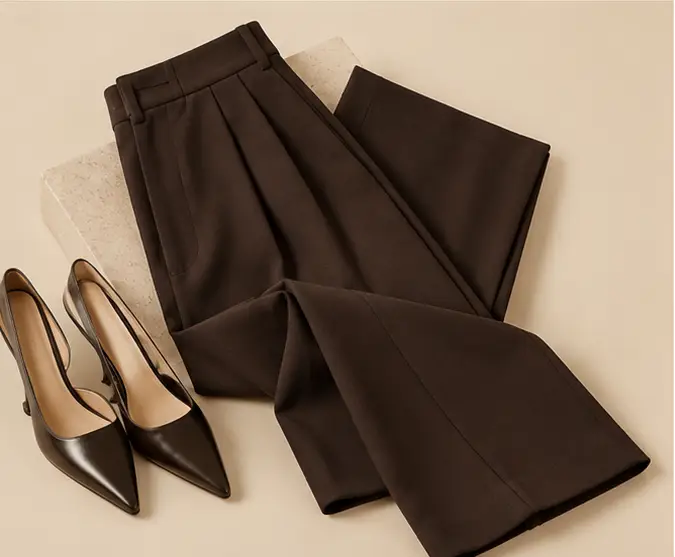
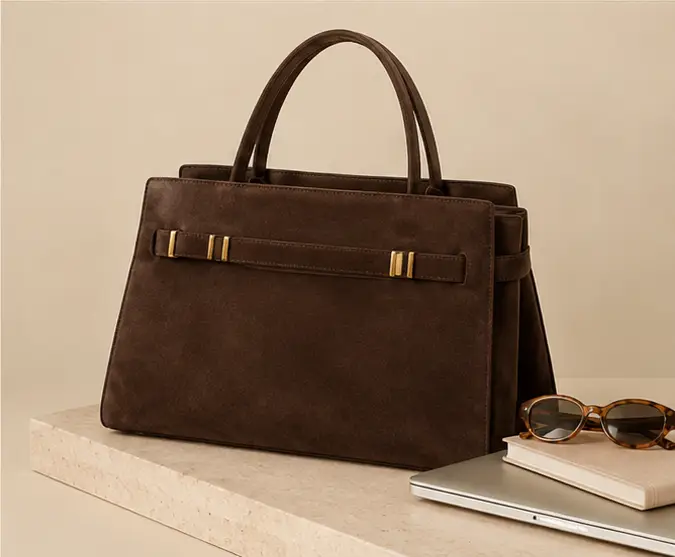
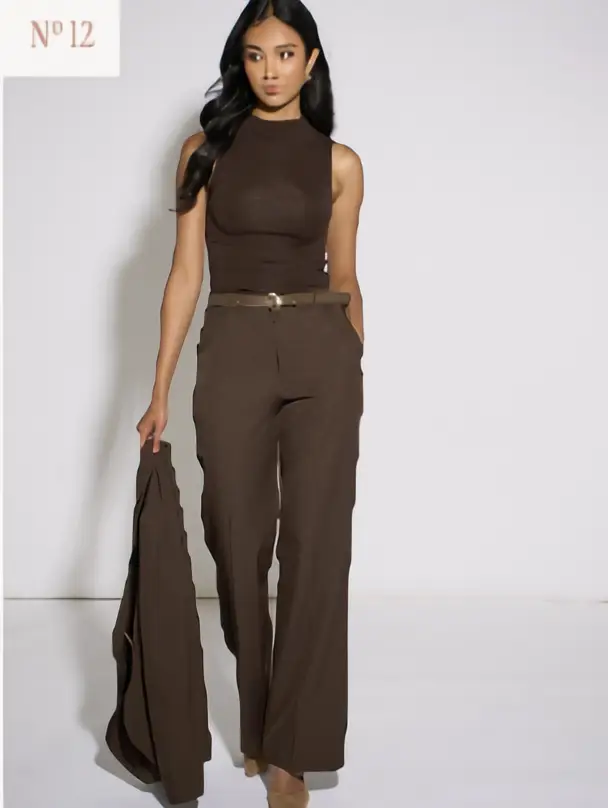
Business casual
Polished without a full suit. A blazer or knit with trousers or a skirt, loafers or flats, and room for color. The default for most corporate offices.
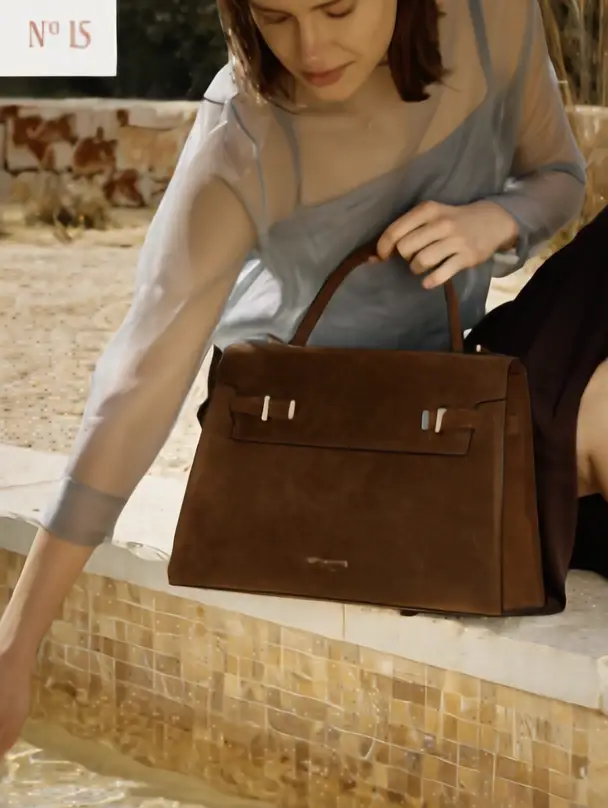
Creative / casual
Personality is welcome, with intention. One expressive piece, dark denim if invited, and sharp layers. Common in media, tech, design and agency teams.
An expressive blouse
One intentional pop of color
A midi skirt
Shape and movement, thoughtfully styled
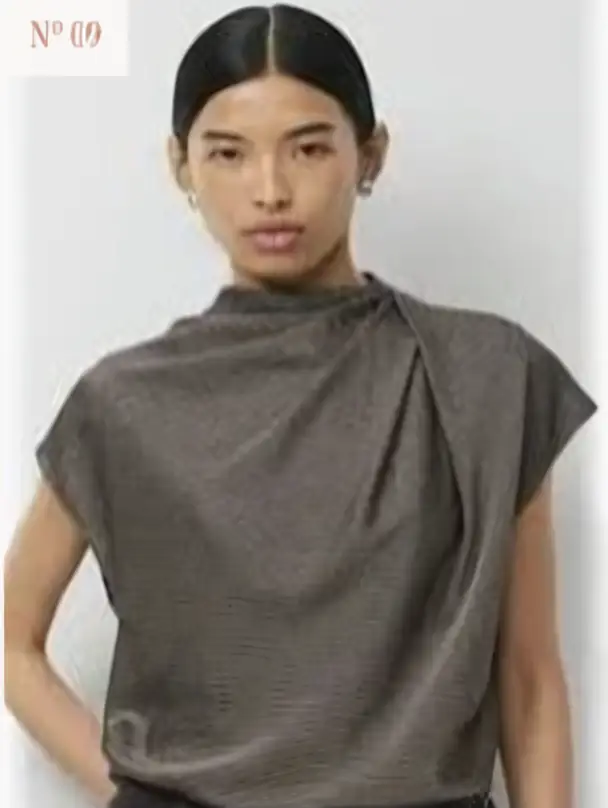
Smart casual
Relaxed, but never sloppy. Tonal knits, fluid tops and easy trousers that still look considered. Common at startups and in less formal or hybrid teams.
Tonal separates
A coordinated, confident palette
Images are styling references from The Corporate Curly's media library. Shop links go to similar pieces, not the exact items pictured. Affiliate links may earn me a commission at no extra cost to you. Confirm the interview dress code with your recruiter.
The questions everyone Googles.
Can I wear jeans to a job interview?
Only when the setting and recruiter make it clear that jeans are appropriate. Even at casual companies, tailored trousers are a dependable choice. If you do wear denim, choose clean, dark, well-fitting jeans with polished separates.
Do I have to wear a blazer?
No. A structured knit, tailored dress or refined blouse can work in business casual or creative settings. A blazer is a practical default when you do not know the dress code, not a universal requirement.
Can I wear flats or loafers instead of heels?
Absolutely. Polished closed-toe flats, loafers and many low boots work well for interviews. Wear shoes you can walk in confidently. Heels are not a professional requirement.
Can I wear sneakers?
Clean, minimal sneakers might fit a clearly casual or creative environment, but do not assume they are appropriate just because the staff wears them at work. When uncertain, choose loafers or flats.
Can I wear a dress or skirt?
Yes. A comfortable tailored midi dress or skirt with an appropriate top can work beautifully. Make sure you can sit, cross your legs and move comfortably without adjusting the hem.
What colors should I wear to an interview?
Navy, charcoal, black, ivory, brown and other grounded colors make outfit building easy. A burgundy or jewel-toned accent can also look refined. There is no single universally correct interview color.
Is natural hair professional for an interview?
Yes. Afro-textured natural hair and protective styles can be professional without being straightened. Wear a style you are comfortable in and can maintain. See natural interview hairstyles for more ideas.
What should I wear for a Zoom or Teams interview?
Wear a polished top with a flattering neckline and a tailored layer if it suits the role. Test your actual webcam, lighting and background. Dress fully in case you need to stand up or adjust the camera.
What if the company says “come as you are”?
You can take the invitation seriously while still choosing an intentional outfit. Ask whether there is a recommended dress code if you would like more clarity. You do not have to suppress your personality to show preparation.
Should I buy a new outfit for a job interview?
Usually not. Start with clean, well-fitting pieces you already own. Alterations, pressing and comfortable shoes often make a bigger difference than buying something new the night before.